Rat Proofing and Exclusion for Louisville Homes
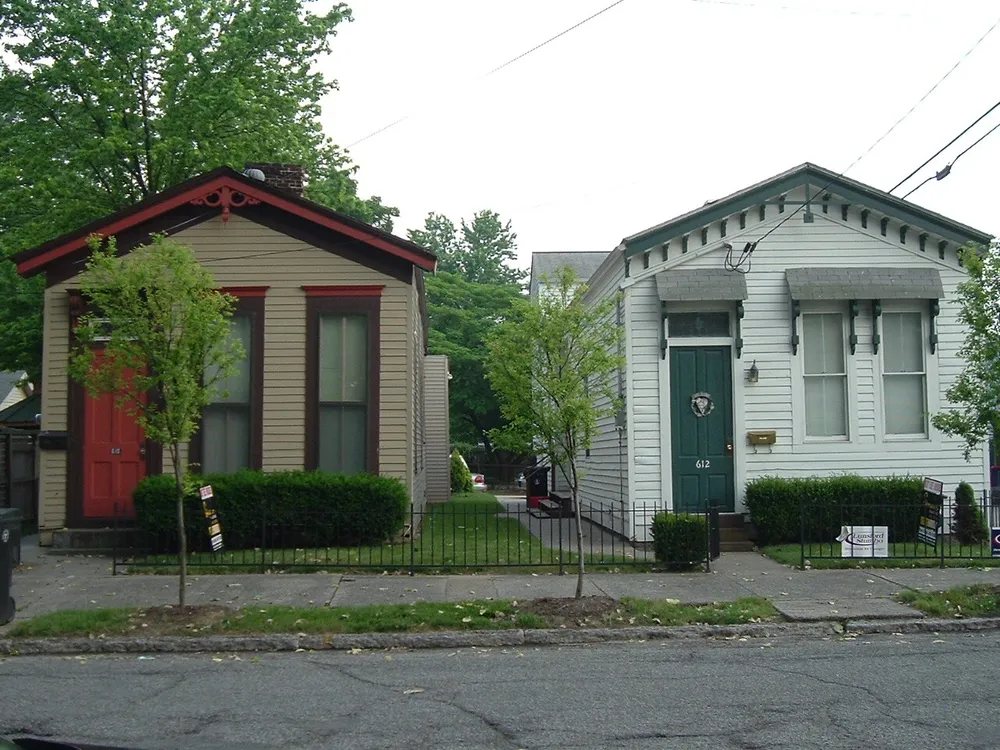
Rat proofing is the part of the job that keeps you from calling again next year. Traps take out the rats inside. Proofing closes the doors they used. A Norway rat can get through an opening about the size of a quarter, and an old Louisville house can have dozens of those without anyone noticing.
Most proofing happens after the trapping has brought activity down, so no rat gets sealed inside. Sometimes a tech closes the obvious outside holes right away and leaves one or two open with traps on them.
Where rats get into older Louisville houses
Brick and stone foundations from the 1890s through the 1920s are everywhere in the older parts of town. The mortar between the bricks gets soft and sandy, and rats dig and chew through the weak spots. Basement windows with rotted wood frames are another favorite. So are the spots where an old coal chute was covered with a scrap of plywood, or where a kitchen was added on the back of a shotgun house and the addition sits on a different footing than the main house.
Newer homes in Jeffersontown, Okolona and other post-war suburbs have different weak points. Garage door seals wear out, the gap around the AC line set never got filled, and the crawl space vent screens rust through.
- Crumbling mortar and gaps where the brick meets the sill
- Basement and crawl space windows with rotted frames or broken panes
- Gaps around gas, water and sewer lines where they come through the wall
- Bent or missing crawl space vent screens
- Worn bottom seals and corner gaps on garage doors
- Holes under the porch steps and the back stoop
What they seal with
Rats chew through foam, plastic, wood and thin screen. Proofing that lasts uses things they can't get their teeth into: galvanized hardware cloth, sheet metal, steel or copper mesh packed tight and covered with sealant, mortar or concrete patch at the foundation, and heavy door sweeps. A burrow that runs under a slab or a stoop may need an L-shaped skirt of hardware cloth dug into the ground so rats hit metal when they try to dig.
Ask the tech to show you each spot they plan to close and what they'll use. You should get a list or photos when it's done.
The sewer line question
Norway rats live in sewers, and once in a while one comes into a house through a broken or disconnected drain line in the basement. Signs include droppings right around a floor drain, rats in the basement with no outside holes anyone can find, or a rat in a toilet. That calls for a plumber with a camera as well as a rat tech. Some pest companies can help figure out if the drain is the source. Fixing the pipe is plumbing work.
Drain covers and backflow devices exist for this. Ask your plumber what fits your setup. Our crawl space and basement page has more on what basement rats look like.
How the price is figured
Two houses on the same block can need very different amounts of work. A tight brick bungalow might need a few gaps closed. A big Victorian in Old Louisville with a stone foundation, three additions and a carriage house can take a crew a day or more. The quote comes after the inspection. Our cost guide explains what goes into it. Ask what the provider covers if a rat gets back in after they've sealed.
Common questions
Can I use spray foam?
Foam alone won't stop a rat. If you use it, pack steel or copper mesh in the hole first and foam over that.
Should I seal before or after trapping?
Usually after activity drops, so rats aren't shut inside. A tech may seal some outside holes early and leave a couple open with traps on them.
Does proofing cover the garage?
It can. Detached garages off the alley are common rat spots in older neighborhoods. Ask for them to be included in the inspection.
Serving Old Louisville, The Highlands, Germantown, Crescent Hill and Clifton, St. Matthews, Jeffersontown, Middletown, Prospect, Shively, Okolona, Pleasure Ridge Park and Valley Station.