Rat Control in Louisville, Kentucky
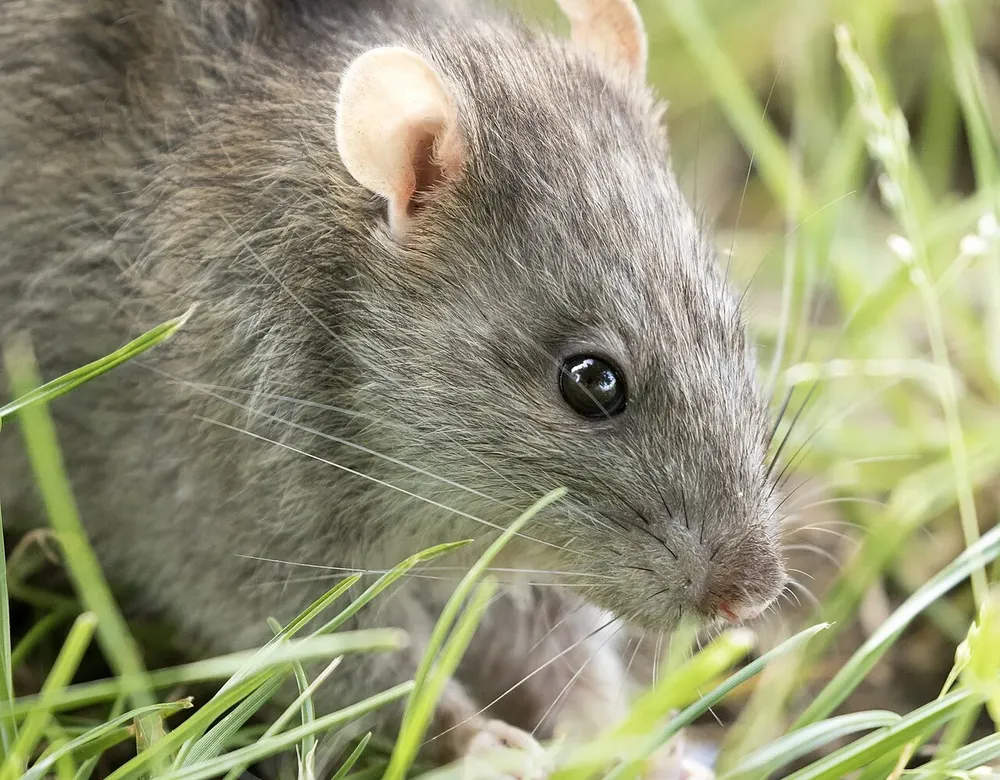
When somebody in Louisville says they have rats, they almost always mean Norway rats. These are the big brown ones with the blunt nose and the thick tail. They dig, they swim and they live close to the ground, which is why they show up in basements, crawl spaces, garages and the alley behind the house. The University of Kentucky's pest program says roof rats are not common in Kentucky, so if you're picturing a sleek black rat running the power lines, that is a rare call here.
This page covers the whole job, start to finish. If you only need the animals caught, see rat trapping and removal. If they keep coming back, the answer is usually rat proofing the house.
Is it one rat or a colony?
One rat seen once can be a passer-through. A rat seen at dusk two nights running, plus droppings, means they've settled in. Norway rats live in groups and use the same routes every night, so a little evidence in one spot usually means more you haven't found. Things people tell us when they call:
- Droppings about the size of a raisin or a little bigger, blunt on the ends
- Fist-sized holes in the dirt along the foundation, the fence or the garage slab
- Dark, greasy smears along a basement wall or a joist
- Gnawed corners on a trash cart, a shed door or a bag of dog food
- Heavy thumping in the basement ceiling or the crawl space after dark
Why Louisville has so many rat calls
A lot of this city is old. Neighborhoods like Germantown, Old Louisville and the Highlands were built before 1930, with brick foundations, alleys behind the houses and garages that open right onto them. Old mortar crumbles, sewer laterals crack and basement windows rot out. Rats use all of it. Beargrass Creek and its forks run through the middle of town, and the Ohio River sits on the whole north edge, so there is water and cover close to plenty of houses.
Then there is the food. Restaurant rows on Bardstown Road and Frankfort Avenue, chicken feed, bird seed, dog food left on the porch and garbage put out in bags instead of carts. Louisville Metro's own guidance tells residents to keep garbage in cans with lids and not to leave pet food out overnight. That advice exists because rats find the bags first.
What a rat job looks like
The first visit is an inspection. The technician walks the outside first: foundation, slab edges, the alley side of the garage, the space under the porch and deck, and any burrow in the yard. Inside, they look at the basement or crawl space, the utility room, the water heater closet and wherever you found droppings. They are looking for three things: where the rats live, where they eat and how they get in.
Then comes the knockdown. Snap traps set along the walls where rats travel, sometimes in covered boxes so pets and kids can't touch them. Bait, if they use it at all, belongs in locked stations fastened down outside, never tossed loose in a burrow or a crawl space. Rats are wary of new things, so the first few nights can be slow. A good tech checks back, moves traps that aren't working and counts what's caught.
Last is the part people skip: closing the holes. Once activity drops, the gaps get sealed with metal, hardware cloth, mortar and sheet metal that rats can't chew through. That is covered on our rat proofing page. If they lived in the basement or attic for a while, ask about cleanup too.
What you can do before the tech shows up
Take away the easy food. Bring the dog bowl in at night, put bird seed and feed in a metal can, pick up fallen fruit and keep garbage in the cart with the lid shut. Don't fill in burrows or stuff holes with steel wool yet. The open holes tell the tech where the rats are working, and sealing too early can trap a rat inside a wall, which leads to a whole different problem described on our dead rat removal page.
Pricing depends on the size of the property, how many rats there are, how many visits it takes and how much sealing the place needs. The company quotes that after they've seen it. Our cost guide walks through what moves the number.
Common questions
Are these sewer rats?
They're Norway rats, the same species people call sewer rats or brown rats. They do use sewers and storm drains, and they also live in yards, alleys and under buildings.
Will the city handle it?
Louisville Metro Codes and Regulations may place rat bait at single-family homes with a rat problem. You request that through Metro 311. It's worth a call, but it covers the outside, not trapping in your basement or sealing your house. See our Metro 311 guide.
How long until they're gone?
Most rat jobs take more than one visit because rats avoid new traps at first. The tech can give you a better idea once they've seen how much activity there is.
Serving Old Louisville, The Highlands, Germantown, Crescent Hill and Clifton, St. Matthews, Jeffersontown, Middletown, Prospect, Shively, Okolona, Pleasure Ridge Park and Valley Station.