Rats in Louisville Basements and Crawl Spaces
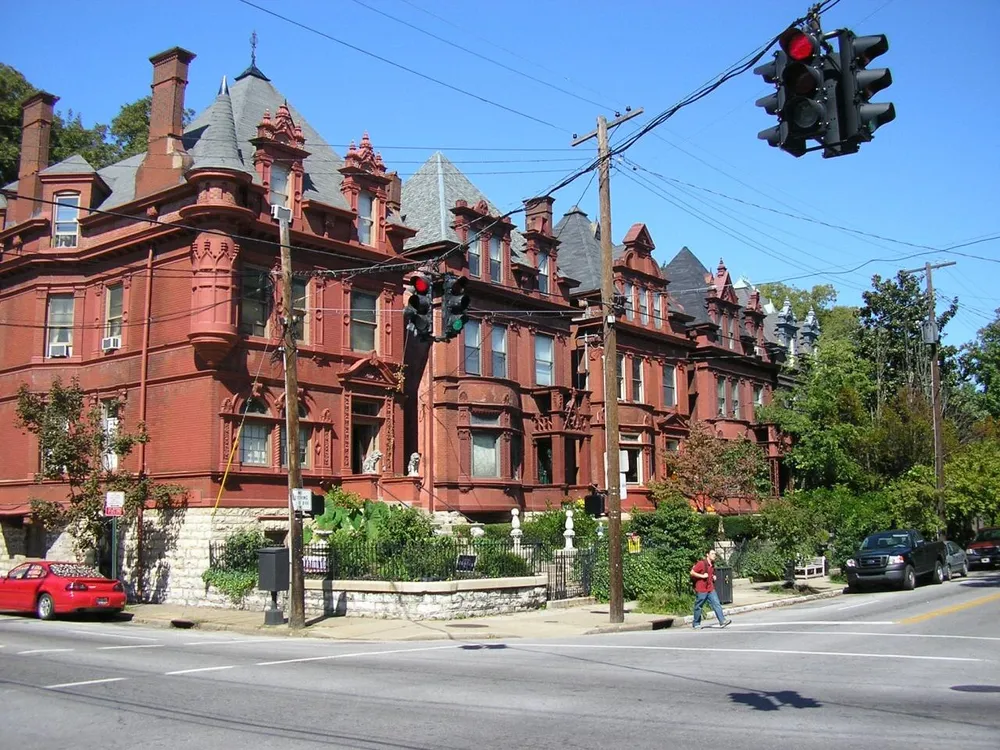
If rats are inside a Louisville house, the basement or crawl space is the most likely place they live. It's dark, it's close to the dirt they dig in, and it's near the pipes and drains they follow. Many of the city's older homes have full basements with brick or stone walls. A lot of the post-war ranches out in the suburbs sit on crawl spaces with a vent on each side and a little access door.
This page covers rats down there. If the noise is overhead, see attic rats. For the full rundown on rats, see rat control.
Basements in the older neighborhoods
Old basements leak in ways people don't notice. A sewer cleanout with a loose cap, a coal chute filled with a board, mortar washed out at the base of the wall, a window well full of leaves. Rats also tend to find the floor drain if there's a crack in the old clay or cast iron line under it. In Germantown and Old Louisville, where the houses sit close together, rats can move along the alley and try one basement after the next.
Look for droppings along the base of the walls, near the water heater and under the basement stairs. Rats also leave a dark smudge where their fur rubs a wall or a pipe they climb along.
Crawl spaces in the suburbs
Crawl space houses are common in places like Shively, Okolona and Pleasure Ridge Park, where whole subdivisions went up in the 1950s. The weak spots are vent screens that rusted or got knocked out by a mower, an access door that doesn't latch, and the gap where the dryer vent or AC lines run through the wall. Once rats are under there, they tear up the vapor barrier, nest in the insulation under the floor and can chew on ductwork.
A crawl space tech crawls it. They look at the vapor barrier, the insulation between the floor joists, any ductwork and the perimeter for burrows coming in from outside.
- Torn or pulled-down insulation under the floor
- Burrows dug in from outside under the foundation
- Droppings on the plastic vapor barrier
- Chewed or disconnected HVAC duct
After the rats are out
Once trapping is done, the job moves to sealing and cleanup. Vents get new heavy screen or hardware cloth, the access door gets fixed, gaps around pipes get packed with metal and patched, and burrows get closed. If the crawl space has soiled insulation or a torn vapor barrier, those can be replaced. Rat proofing explains the materials.
A word on water: Beargrass Creek and the Ohio River both have long flooding histories, and rats move when their burrows flood. If you see more activity right after a big storm, that's part of why.
Common questions
Do I need to be home for a crawl space inspection?
Usually somebody needs to let them into the basement or open the crawl space access. Ask when you schedule.
Can rats come up through the floor drain?
It can happen when the drain line under the floor is broken or disconnected. Droppings right around the drain are a hint. You'd want a plumber to camera the line.
Serving Old Louisville, The Highlands, Germantown, Crescent Hill and Clifton, St. Matthews, Jeffersontown, Middletown, Prospect, Shively, Okolona, Pleasure Ridge Park and Valley Station.