Rats in Shotgun Houses, Victorians and Other Older Louisville Homes
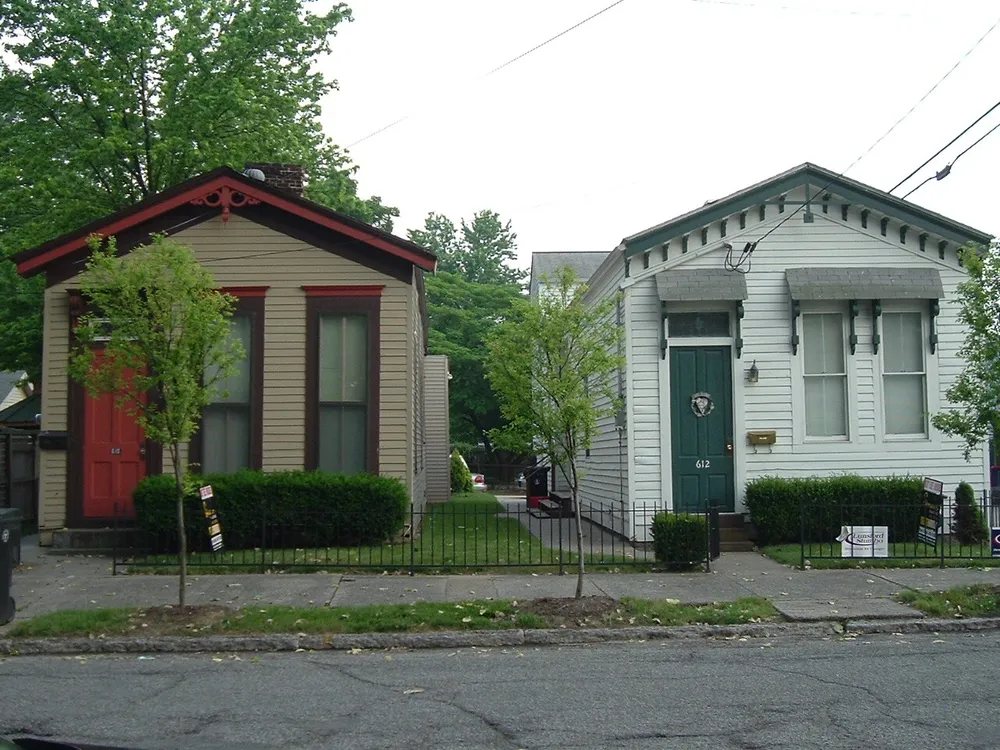
A huge share of Louisville's houses are old. Germantown has the city's biggest collection of shotgun houses, most from the 1890s. Old Louisville is wall-to-wall Victorian brick. The Highlands and Crescent Hill filled in during the streetcar years, up to about the 1930s. These are good houses, and they all leak in the same places.
The foundation
Old brick and stone foundations were laid with lime mortar, which gets soft and sandy over a century. Rats dig and chew right through it, usually at the base of the wall or where it meets the wood sill. Look for loose sand and crumbs at the foot of the basement wall and for holes along the outside where the dirt meets the brick.
Additions and porches
Shotgun houses especially tend to have kitchens and bathrooms added on the back, often sitting on a shallower footing or piers. The seam between old and new is a classic rat door. Front porches and back stoops with hollow space underneath are another. Rats burrow under the steps and come up into the crawl space or basement.
- The seam where a rear addition meets the original house
- Hollow space under porches and stoops
- Old coal chutes and cellar doors
- Basement windows with rotted frames
- Floor drains on old clay or iron lines
Inside the walls
Most houses built before the 1930s don't have blocking between the floors inside the walls. A rat or mouse in the basement can climb inside a wall all the way to the attic. That's why you can hear them over the bedroom when they're living in the basement. Sealing the basement and the foundation often fixes the attic noise too.
Plaster walls are tougher than drywall, but old outlet boxes, gaps around radiator pipes and spaces behind built-in cabinets give rodents a way into the rooms.
What to fix first
Start at the bottom. Close gaps at the foundation, cover basement windows and vents with hardware cloth, and get a tight door sweep on any basement or cellar door. Then look at the porch and the addition seam. Have a tech confirm where the activity is, since sealing a hole while rats are still inside causes its own trouble. See rat proofing and basement and crawl space rats.
If you're in a historic district, check before changing anything visible on the outside of the house. Most rat proofing is low, small and out of sight, but it's worth asking.
Common questions
Can mortar repair keep rats out?
Repointing soft mortar with a harder patch at the spots rats are using helps a lot. Pair it with mesh and metal at pipe holes and vents.
Why do I hear rats upstairs when the tech says they're in the basement?
Old walls usually have no blocking between floors, so rodents climb inside them from the basement to the attic.